

Technology Robot Retro – Free icon download
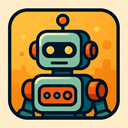
Download all to grab every PNG variant.
In the ever-evolving landscape of visual design and digital culture, few concepts resonate as powerfully as the fusion of Technology, Robot, and Retro. This particular icon stands not merely as a graphic object but as a symbol—a narrative woven from the threads of innovation, mechanical elegance, and nostalgic longing. It embodies a vision where the future is not distant or cold, but accessible through the lens of familiar past aesthetics. At its core lies a Robot—a sleek, humanoid form composed of angular lines and polished surfaces—yet this robot does not conform to modern minimalist design trends. Instead, it exudes a distinct sense of Retro charm, evoking the style of 1980s and early 1990s science fiction media such as *Tron*, *Big Hero 6*, or even vintage arcade games like *Space Invaders*.
The Technology embedded in this icon is not abstract or futuristic in the sense of alien tech; rather, it is grounded, tactile, and relatable. The robot's body features visible circuit-like patterns—neon-green and electric-blue lines that trace along its joints and limbs. These circuits are reminiscent of early computer systems where internal wiring was exposed for both functionality and visual appeal. Each line glows softly with a subtle pulse, suggesting activity or intelligence without appearing overly digital or sterile. This interplay between Technology and Retro design is intentional: it honors the technological optimism of the mid-to-late 20th century while subtly critiquing the sleek, emotionless interfaces of modern AI.
The robot itself is designed with a retro-futurist aesthetic—a style that blends futuristic aspirations with nostalgic elements from earlier decades. Its head features a rounded visor reminiscent of classic sci-fi helmets from films like *Blade Runner* or *The Matrix*, but instead of glowing red or blue, it displays a vintage-style analog dial, complete with mechanical gears and hand-cranked indicators. This dial reads "1987" in bold, blocky font—certainly a nod to the retro time period and suggesting that this technology was conceived decades ago but remains relevant today. The arms are segmented like those of an old robot from *Astro Boy*, with joint articulations that give a sense of movement, while the legs are slightly exaggerated and angular, echoing the rigid postures seen in vintage arcade animations.
What truly sets this icon apart is how it balances all three elements into a harmonious whole. The Robot is not just a machine—it’s an expression of human imagination, shaped by both technological advancement and cultural memory. The use of retro color palettes—such as bright yellows, deep purples, and faded cyan—gives the design a warm, inviting atmosphere that contrasts with the coldness typically associated with high-tech interfaces. These colors are not merely decorative; they reflect the emotional tone of nostalgia—the feeling that technology once brought joy and wonder to everyday life.
The Technology in this icon is functional yet symbolic. The robot's surface contains tiny, visible data points—tiny blinking lights scattered across its chest and back—resembling early computer terminals or the pixel-based displays of old video games. These lights do not transmit data in a modern sense; instead, they respond to environmental stimuli like light or sound, mimicking how retro computers might react to user input. This adds an interactive quality that ties the icon to real-world experience, making it more than just a static image.
Moreover, this icon is deeply embedded in cultural context. The 1980s and 1990s were defined by rapid technological progress and a fascination with artificial intelligence, often portrayed through robots as friendly or heroic figures. This design echoes that cultural moment—where robots were not feared but celebrated as companions, teachers, or even protectors. By anchoring the robot in a retro aesthetic, the icon reassures viewers that technology can be human-centered and emotionally resonant. It challenges modern perceptions of AI as cold or impersonal by showing it through a lens of warmth and history.
Visually, the icon is composed with deliberate simplicity yet layered depth. The background is often a gradient of deep space blue fading into soft black, evoking the look of early computer monitors or CRT screens. The robot stands slightly off-center, as if observing its surroundings—a subtle gesture that speaks to autonomy and awareness. This composition enhances the sense of being both futuristic and familiar, like a character from an old sci-fi film seen through a nostalgic memory.
Ultimately, this icon represents more than just a visual motif—it symbolizes a philosophical stance on technology. It suggests that innovation need not erase the past; instead, it can draw upon it to create something meaningful. The Robot serves as both an avatar of progress and a tribute to forgotten visions of what technology could be. The Retro elements do not merely decorate; they ground the vision in human experience, reminding us that even the most advanced technologies have emotional and cultural roots.
In a world increasingly dominated by digital minimalism and artificial intelligence devoid of warmth, this icon offers a refreshing alternative. It is a celebration of imagination, nostalgia, and the enduring human desire to connect with machines—not as tools, but as companions. It speaks to both the engineers who built early computers and the dreamers who imagined robots with personalities and emotions long before AI became mainstream. Through its seamless blend of Technology, Robot, and Retro, this icon becomes a beacon of hope—an invitation to remember that innovation, at its best, is not just about speed or efficiency, but about beauty, memory, and emotional resonance.
Create your own icon with our GoGPT AI prompt:
GoGPT