

Animals Microphone Tribal Free icon download
Download all to grab every PNG variant.
```html
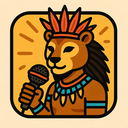
At first glance, the Tribal Animal Microphone icon presents a compelling fusion of three distinct yet harmoniously interwoven themes—Animals, Microphone, and Tribal. This intricate design transcends mere visual representation; it functions as a symbolic narrative that speaks to the primal connection between humanity and nature, the power of voice in cultural expression, and the enduring legacy of ancestral traditions. Each element within this icon serves not just a decorative purpose but acts as a deliberate carrier of meaning—inviting observers into a deeper understanding of how sound, identity, and natural spirit converge in artistic form.
The central figure within the icon is an anthropomorphized animal—a powerful jaguar—crafted with bold, tribal motifs that echo ancient Mesoamerican and African cultural aesthetics. The jaguar’s body is rendered in sharp geometric lines and angular patterns reminiscent of ceremonial masks found across indigenous communities. Its muscular form is accentuated by deep incisions and symbolic engravings along its spine, limbs, and head, each line echoing the rhythm of a drumbeat or chant passed down through generations. The jaguar’s eyes are stylized as large, concentric circles with a dot at the center—reminiscent of spiritual vision or inner awareness in tribal cosmology. These features not only emphasize animal strength and mystery but also suggest that this creature is more than just wildlife—it is a sacred guardian, a totemic spirit embodying ancestral wisdom.
What transforms this otherwise animal-centric design into something truly unique is the integration of the microphone—a modern technological symbol—into the jaguar’s anatomy. The microphone does not appear as an intrusive or alien addition; instead, it emerges organically from within the creature’s chest, as if sprouting like a sacred flame or spirit vessel. Its body resembles polished wood or carved bone, textured with tribal patterns that continue seamlessly from the animal's hide into the microphone housing. The grill of the microphone is shaped like an open maw—echoing both a beast’s mouth and a ritualistic ceremonial opening—suggesting that this is not merely a device for amplification, but an instrument through which ancestral voices are reborn.
The handle of the microphone extends upward like a feathered staff or tribal scepter, intricately carved with symbols representing storytelling, song, and oral history. These include spirals (symbolizing life’s journey), zigzags (representing lightning or energy flow), and interlocking circles (denoting unity and continuity). The entire structure is imbued with a sense of sacred purpose: the microphone isn't used to broadcast modern pop music or commercial messages—it is a vessel for truth, prophecy, and cultural memory. When activated, it would not emit sound in the conventional sense; rather, it would channel chants from ancestors, animal calls that carry warnings or blessings, and stories whispered through firelight across centuries.
Further reinforcing the Tribal aspect are the decorative elements surrounding the central figure. The jaguar stands atop a circular base patterned with intricate mandala-like designs in earthy tones—ochre, burnt sienna, deep green—and accented with mineral pigments that suggest age and reverence. This base resembles a ritual drum or ceremonial platform, grounding the icon in performative tradition. Around the periphery of the icon, small animal silhouettes—a snake coiled like a sacred serpent, an eagle in flight above it—appear as spiritual companions to the jaguar: symbols of wisdom, freedom, and connection to higher realms. These animals are not randomly placed; each one is stylized with tribal symmetry and repetition common in pre-Columbian art or African bark cloth designs.
Color plays a crucial role in reinforcing the icon’s layered meaning. Earth tones dominate—crimson reds from crushed cochineal insects, deep blacks from charcoal, natural whites of bone and clay—colors that have been used for millennia in tribal body painting and ritual objects. These hues are not just visually striking; they carry cultural significance: red for life force, black for mystery and transformation, white for purity and spiritual clarity. The contrast between the dark animal form and the glowing light emanating from within the microphone's mouth suggests a divine energy being released—voice as sacred fire.
Ultimately, this icon is not simply about an animal holding a microphone—it is about what that fusion represents: the preservation of cultural identity through expression. It speaks to indigenous communities around the world who use song, dance, and oral tradition to maintain their histories despite colonization and modernization. In a digital age where voices are often drowned out by noise, this icon stands as a reminder that true power lies not in volume but in authenticity—voice rooted in heritage, nature, and ancestral truth. It challenges viewers to reconsider what it means to speak: not just with words, but with the spirit of animals, the rhythm of ancient drums, and the enduring strength of tribal wisdom.
As a symbol for cultural festivals, indigenous advocacy groups, or even music artists honoring their roots, this Tribal Animal Microphone icon resonates across time and space. It is both a tribute to nature’s majesty and an assertion that every voice—especially those from marginalized traditions—deserves to be amplified, not just heard.
```Create your own icon with our GoGPT AI prompt:
GoGPT