

Communication Key Retro – Free icon download
Download all to grab every PNG variant.
At the intersection of nostalgia, functionality, and human connection lies a powerful icon that embodies the essence of Communication, Key, and Retro. This is not merely a visual motif — it is a narrative symbol that speaks to the evolution of human interaction in both analog and digital worlds. Designed with intention, this icon transcends its aesthetic form to become a multidimensional emblem that invites reflection on how we connect, unlock possibilities, and remember what once defined our shared experiences.
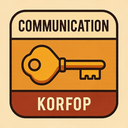
Centered within the design is a stylized key, rendered in bold, clean lines reminiscent of 1980s and 1990s graphic design. The key is not just a mechanical object; it represents access — to information, to privacy, to deeper understanding. In this context, the key acts as both a literal and metaphorical gateway. Just as a physical key opens a door, the icon suggests that meaningful communication requires an unlocking of trust, vulnerability, and open dialogue. It symbolizes that true connection is not automatic — it demands effort, intentionality, and often a shared password or code of mutual respect.
The retro aesthetic serves as the visual foundation upon which all other elements are built. The icon draws heavily from classic design languages — think early digital interfaces, typewriters with illuminated keys, dial-up modems blinking in rhythm with Morse code, and the geometric simplicity of 1970s signage. Colors are muted yet vibrant: deep teal for depth, warm amber for warmth, and faded cyan that evokes the glow of old CRT monitors. The shapes are bold and angular but balanced with organic curves — a nod to both mechanical precision and human emotion. This retro palette grounds the icon in a sense of authenticity, reminding users that connection has always been rooted in simplicity and shared experience.
The Communication aspect of this icon is central. It is not just about sending messages or making phone calls — it reflects the broader human need to be heard, understood, and valued. The key is positioned at the center of a circular communication network — like an old telephone switchboard or a vintage radio dial. From this central point, lines radiate outward in flowing paths that resemble old telegraph signals or handwritten notes being passed from hand to hand. These connections are not static; they pulse gently, as if breathing in sync with the rhythm of human conversation.
Each line emanating from the key is subtly textured — a blend of dashed and solid strokes — representing different forms of communication: instant messaging, voice calls, text messages, emails, and even face-to-face interaction. The retro design gives these lines a sense of time-honored tradition; they resemble the early days of email when every message had to be typed manually with care. This aesthetic choice emphasizes that communication is not just fast or efficient — it is also meaningful and deliberate.
The icon's Key element further deepens its symbolic significance. In a world where information is abundant but attention is scarce, the key becomes an emblem of authenticity. It suggests that access to truth, understanding, or emotional intimacy requires not just technology — but trust. The key has a slightly worn edge, as if used many times over; this indicates that communication builds through repetition and shared history. Just as a physical key may have scratches or dents from daily use, so too does genuine communication leave imprints of experience and memory.
The retro aspect is not merely decorative — it serves as a cultural anchor. In an era dominated by AI, automation, and algorithmic content delivery, the retro icon reminds users of the human origins of connection. It evokes memories of handwritten letters, long-distance calls with crackling lines, and community bulletin boards where people shared stories in simple language. These moments were raw, unfiltered, and deeply personal — qualities that modern digital communication often lacks.
Moreover, this icon speaks to a generation that grew up with limited bandwidth but infinite imagination. In those times, every message mattered because it had to be crafted carefully. The retro style of the icon honors those constraints — emphasizing clarity, brevity, and emotional honesty over flashy graphics or data overload. This is communication as art: intentional, visual, and deeply human.
When viewed together — Communication, Key, and Retro — the icon becomes more than a design element. It is a cultural statement about the value of authentic dialogue in an increasingly disconnected world. It suggests that to truly connect, we must first unlock our vulnerabilities, share our truths, and embrace the simplicity of what once made communication powerful.
In conclusion, this icon is not just a visual representation — it is a philosophy embedded in form. It celebrates the past while inviting us to preserve its lessons for the future. Whether displayed on a website interface, used as a logo for community platforms, or featured in digital art installations, this icon serves as both a bridge and a beacon: connecting people across time and space through the enduring power of simple, sincere communication — rooted in trust and designed with retro elegance.
Create your own icon with our GoGPT AI prompt:
GoGPT