

Communication Smartphone Tribal – Free icon download
Download all to grab every PNG variant.
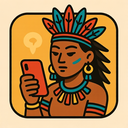
This meticulously crafted icon embodies the powerful convergence of Communication, Smartphone, and Tribal cultural motifs, forming a dynamic symbol that transcends traditional digital interfaces to reflect deeper human connections rooted in heritage and shared experience. Designed not merely as a technological device but as an emblem of cultural resonance, this icon bridges the gap between modernity and tradition—offering both visual appeal and profound meaning.
At its core, the icon features a stylized Smartphone, rendered with minimalist elegance yet rich in symbolic detail. The phone is not simply a rectangle or a generic device; it is shaped like an ancient tribal ceremonial object—a curved, elongated vessel with flowing edges reminiscent of traditional masks, carved wood, or woven textiles. This design choice deliberately blurs the boundary between technology and ancestral form, suggesting that modern communication tools are not isolated from cultural memory but are instead extensions of long-standing human practices of sharing stories, expressing emotions, and preserving community values.
The screen of the smartphone is illuminated with a vibrant pattern inspired by tribal art—specifically patterns found in African, Indigenous American, and Pacific Islander designs. These patterns include concentric circles, zigzag lines, geometric interlacing motifs, and abstract symbols representing unity, harmony, and ancestral knowledge. These visuals are not random; each pattern corresponds to a specific aspect of communication: for instance, spirals represent the flow of dialogue or information passing through generations; intersecting lines suggest connection between individuals and communities; and repeated shapes symbolize repetition in storytelling—a key element in oral traditions.
The frame of the phone is constructed with organic, hand-carved textures that echo the natural world. The edges feature subtle ridges and grooves resembling bark or stone tools, evoking a sense of timelessness and grounded authenticity. This tactile quality reinforces the Tribal aspect—reminding viewers that communication is not solely a digital transaction but an act deeply tied to physical presence, shared space, and cultural context. The phone’s surface also incorporates subtle etchings in a language-like script that mimics ancestral writing systems, such as runic symbols or pictographic signs used historically by tribal societies to pass down knowledge.
The icon's central feature is the glowing Communication hub—a pulsating light located at the center of the phone’s screen. This light does not appear static; instead, it pulses rhythmically in sync with a traditional drumbeat, as though echoing a heartbeat or ceremonial chant. This dynamic element symbolizes active communication—both in real-time and across generations. The pulse represents not just data transfer or calls but also emotional connection, trust-building, and mutual understanding between people from diverse backgrounds. It is through this rhythmic motion that the icon communicates its essence: that true communication is a living, breathing process rooted in shared values and cultural memory.
Surrounding the phone are subtle silhouettes of tribal figures engaged in conversation—some standing beside it, others holding traditional instruments like drums or talking sticks. These figures are not fully detailed but are rendered with expressive gestures: one raises their hand in greeting, another points toward the sky as if sharing a story. Their clothing is woven from patterns that mirror those on the phone’s interface, creating a visual continuity between technology and tradition. This integration suggests that smartphones today serve as modern-day talking sticks—tools used to pass on wisdom, history, and cultural narratives to younger generations.
Moreover, the icon incorporates elements of environmental storytelling. Background details include natural landscapes such as rivers, mountains, or open plains—common features in tribal cosmologies where communication is often seen as flowing between land and people. The phone floats slightly above these elements, symbolizing how modern communication tools enable connectivity across physical distances while still honoring the importance of place and community.
From a symbolic perspective, this icon challenges the notion that technology is inherently alien or disconnected from human culture. By fusing Communication with Smartphone functionality and infusing it with Tribal aesthetics, the design promotes a reimagining of how we view digital interaction. It suggests that technology can be a vessel for cultural preservation rather than a replacement for tradition. In this sense, the icon becomes both an aesthetic statement and a functional metaphor—a reminder that every message sent, every video call made, or every social media post shared is part of an ongoing cultural dialogue.
Additionally, the use of color in this icon is intentional and culturally significant. Warm tones—such as deep reds, earthy oranges, and rich browns—embody strength, vitality, and heritage. These colors contrast with cooler digital hues (like blue or silver) used in conventional smartphones to create a visual tension that highlights the balance between tradition and innovation. The interplay of color tells a story: one where modern tools are not in opposition to ancient wisdom but rather serve as new pathways for old ways of being.
In conclusion, this icon is more than a visual representation—it is a living symbol of interconnectedness. It illustrates how communication through smartphones can be rooted in cultural identity and tribal values. It speaks to the importance of preserving ancestral knowledge while embracing technological progress. By weaving together Communication, Smartphone, and Tribal elements into one cohesive vision, the icon becomes a powerful reminder that meaningful interaction transcends devices—it thrives in stories, traditions, and shared human experience.
This design is not only suitable for use in digital interfaces—such as apps focused on cultural preservation or community engagement—but also serves as a visual language for educators, activists, and global citizens who seek to build bridges across cultures through dialogue and mutual respect. It stands as a testament to the enduring power of connection when grounded in both technology and tradition.
Create your own icon with our GoGPT AI prompt:
GoGPT