

Construction Credit card Glassy Free icon download
Download all to grab every PNG variant.
```html
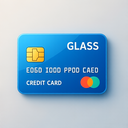
At the intersection of architectural innovation, financial technology, and digital aesthetics lies a compelling visual symbol—the glassy construction credit card icon. This meticulously crafted icon harmonizes three seemingly disparate concepts—Construction, Credit Card, and Glassy—into a unified design language that speaks to contemporary values: transparency, durability, precision engineering, and forward-thinking vision. More than just a graphical representation of financial tools or building structures, this icon embodies the spirit of modern enterprise where digital infrastructure is as foundational as physical architecture.
The central element of the icon is a stylized credit card—rectangular in form with rounded corners and a subtle embossed edge that mimics real-world plastic cards. However, what distinguishes this design from typical financial icons is its transformation through a glass-like finish. The surface of the card is rendered with translucency, simulating tempered or polished glass. This gives it an ethereal glow—refracting light subtly as if viewed under soft studio lighting. The transparency allows faint outlines of underlying elements to peek through, creating depth and dimensionality that elevate it beyond a flat two-dimensional symbol.
Embedded within the glassy surface are architectural motifs that represent the Construction theme. Delicate yet precise lines form a skeletal framework resembling steel beams, structural supports, or even blueprints drawn in miniature. These elements are not mere decorative flourishes; they symbolize the foundational nature of both financial systems and physical structures—both require careful planning, strong support systems, and integrity to withstand pressure. The construction details appear subtly in the background layer of the card, visible through its transparent surface like a blueprint beneath a glass façade. This clever visual layering reinforces the idea that behind every seamless transaction or digital service lies an invisible network of infrastructure—much like how every skyscraper stands on a complex foundation.
The credit card aspect is emphasized through familiar design cues: the magnetic stripe at the top, a small chip icon near one corner (representing modern EMV technology), and a faintly glowing holographic logo area in the center. The digits of a credit card number are stylized into an abstract pattern across the face, almost like data flowing beneath glass—a nod to digital finance. However, these details are not overly literal; instead, they’re integrated with artistic flair so as not to disrupt the overall aesthetic harmony. The card’s color palette leans toward cool tones—shades of steel blue, crystalline silver, and soft white—enhancing its glass-like appearance while evoking trustworthiness and technological sophistication.
The glassy quality is perhaps the most defining characteristic of this icon. It is achieved through a combination of gradient overlays, reflection effects, and subtle highlight placements that simulate how real glass reflects ambient light. The card appears to catch light from multiple angles—soft highlights on its edges mimic the shine of polished crystal, while micro-reflections create a sense of movement even in static form. These visual cues make the icon feel dynamic and alive, as if it could shift and glimmer when viewed from different perspectives—a feature especially effective in digital interfaces where animations enhance user experience.
Beyond mere appearance, the integration of these three themes carries deeper symbolic meaning. The glassy texture suggests transparency—crucial in both financial services (where trust is paramount) and modern construction (where sustainability and ethical sourcing are emphasized). A transparent credit card implies honesty in transactions, no hidden fees, clear terms—a digital age promise. Similarly, the visible construction framework beneath the glass speaks to openness about how systems work—like open-source software or publicly audited building plans.
Functionally, this icon serves multiple purposes. In mobile banking apps or fintech dashboards, it could represent secure financial tools tied to infrastructure projects—such as green building financing, smart city development funding, or digital payment gateways for construction supply chains. In design software or project management tools focused on urban planning and real estate development, the same icon might signify a digital wallet integrated with BIM (Building Information Modeling) systems.
Its versatility makes it ideal for branding in industries where innovation meets reliability—such as sustainable architecture firms launching eco-conscious financial products, or construction tech startups offering blockchain-based payment solutions. The fusion of Construction's structural integrity, the Credit card's financial utility, and the Glassy aesthetic's modern elegance creates a visual narrative about progress: where ideas are built to last, transactions are seamless and trustworthy, and design itself becomes a medium of innovation.
In essence, this icon is more than a symbol—it’s an invitation. To imagine a world where finance flows as cleanly as light through glass, where every transaction supports the construction of better cities and smarter communities. It stands at the crossroads of technology and craftsmanship, reminding us that the most durable foundations are often built with clarity, precision, and beauty.
```Create your own icon with our GoGPT AI prompt:
GoGPT