

Culture Drum Tribal Free icon download
Download all to grab every PNG variant.
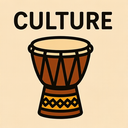
At the heart of human expression lies a primal force—an enduring rhythm that pulses through time, connecting generations across continents. This icon encapsulates that force in its very essence: a powerful symbol forged from the interwoven threads of **Culture**, **Drum**, and **Tribal** identity. More than a mere visual motif, this icon is an invitation to journey into the soul of ancestral wisdom, communal celebration, and timeless artistry. It is not merely designed; it is imbued with meaning. The central element of this icon—the drum—is more than a musical instrument; it is a sacred vessel of communication between the earthly and the spiritual. Shaped as a large, hand-carved wooden cylinder with natural leather drumheads stretched taut at both ends, this drum exudes authenticity and reverence. Its surface bears intricate patterns etched deep into the wood—geometric symbols, spirals, and animal motifs drawn from ancient tribal scripts. These carvings are not mere decoration; they represent stories passed down through generations: tales of creation myths, ancestral spirits, seasonal cycles, and rites of passage. Each line tells a story that cannot be spoken in words alone but resonates through rhythm. The drum is rendered with earthy tones—deep browns, burnt sienna, ochre golds—and accented with vibrant pigments derived from natural sources like crushed minerals and plant dyes. These colors are not chosen arbitrarily; they reflect the environment from which this culture emerged. The reds echo sunsets over desert plains; the blues mirror rivers that carved valleys through stone; the greens recall dense jungles where tribes once lived in harmony with nature. Every hue carries cultural significance, rooted in rituals and belief systems. Surrounding the drum are symbolic elements that elevate it from an object to a living emblem of **Tribal** existence. Three stylized figures, each bearing unique facial features and traditional adornments—beaded necklaces, feather headdresses, body paint in sacred patterns—are positioned around the drum in a circular formation. These figures represent the core values of tribal life: unity, reciprocity, and reverence for nature. Their bodies are slightly elongated to suggest spiritual transcendence; their arms reach upward not just toward the sky but toward ancestral memory. The background of the icon is layered with a woven textile pattern reminiscent of traditional tribal textiles—dense, interlaced threads in bold contrast that form an intricate mandala-like design. This weave symbolizes interconnectedness: every thread represents a life, a story, a role within the community. The repetition of patterns reflects cyclical time—the belief held by many indigenous cultures that time is not linear but circular, with events repeating and evolving through seasons and generations. The drum itself is positioned at the center of this intricate composition—literally and metaphorically as the heart of tribal life. When struck, it does not merely produce sound; it sends vibrations through the air that are believed to awaken spirits, summon rain, or mark transitions from childhood to adulthood. In many tribal traditions, drums are considered living entities with souls. They are often named and treated with ritualistic care—fed offerings of water and herbs before ceremonies. This icon’s significance transcends aesthetics. It is a vessel of **Culture**—a tangible manifestation of identity, resilience, and continuity in the face of colonization, modernization, and cultural erosion. By preserving the visual language of tribal drums in this design, it serves as an act of resistance against cultural amnesia. It reminds viewers that culture is not static; it evolves through adaptation while remaining grounded in tradition. The drum’s presence within the icon also speaks to communal joy and collective memory. Tribal gatherings centered around drumming are never just about music—they are acts of solidarity. The rhythm unites individuals, transcending language barriers and social divisions. In this context, the icon becomes a visual metaphor for unity: three figures forming a circle around one central source of sound—the drum—as an embodiment of community. Moreover, the icon incorporates subtle elements that reflect sustainability and harmony with nature—key pillars in many tribal worldviews. The wood used to craft the drum comes from trees that were harvested with ritual permission and respect. The leather is sourced ethically, often from animals whose deaths are honored in ceremony. Even the paint is made from crushed minerals collected without depleting natural resources. In its design, the icon balances symbolic depth with visual clarity—ensuring it remains recognizable across different cultures and contexts while preserving its authenticity. It can be used as a logo for cultural festivals, educational materials on indigenous history, or branding for artisanal crafts rooted in traditional practices. Ultimately, this icon is more than a graphic—it is an anthem. It sings of forgotten languages through patterned lines; it beats with the pulse of ancestral drums; it stands as a testament to the enduring spirit of tribal life. Through **Culture**, **Drum**, and **Tribal** symbolism, it reminds us that rhythm is not just sound—it is memory, identity, resistance, and hope.
Create your own icon with our GoGPT AI prompt:
GoGPT