

Culture Tree Classic Free icon download
Download all to grab every PNG variant.
```html
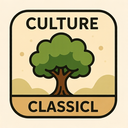
At the heart of this meticulously crafted icon lies a profound synthesis of three essential human ideals—Culture, Tree, and Classic. This emblem is more than a visual symbol; it is an embodiment of deep-rooted traditions, enduring natural wisdom, and the aesthetic elegance that transcends time. Every line and contour has been designed with reverence to cultural heritage while drawing inspiration from nature’s most enduring archetype: the tree. The result is a classic icon that speaks to civilizations past, present, and future—a bridge between humanity’s spiritual essence and its physical environment.
At first glance, the icon presents a stylized yet deeply symbolic tree. Its trunk is tall and robust, carved with subtle grooves that mimic the natural grain of ancient wood—each groove representing a decade of human memory, a century of collective experience. The bark is textured to resemble centuries-old oak or olive trees found in sacred groves across Mediterranean civilizations, Mesopotamian ruins, or the ancient forests revered by Indigenous peoples. This attention to botanical authenticity grounds the icon firmly in nature while elevating it beyond mere realism into a realm of metaphor and meaning.
The branches spread outward with deliberate symmetry—neither too wild nor too rigid—suggesting balance between chaos and order, freedom and structure. These limbs extend in arcs reminiscent of traditional calligraphy or mandalas, echoing the aesthetic principles found in Japanese ink paintings, Persian miniatures, and Greek friezes. Each branch ends in clusters of leaves that are not generic foliage but specific botanical species: olive leaves for peace and wisdom; maple for resilience; cherry blossoms symbolizing life’s fleeting beauty. These elements are not merely decorative—they carry cultural significance across continents and epochs, linking diverse civilizations through shared symbols of growth, renewal, and connection.
What truly elevates this icon from a simple nature illustration to a profound cultural artifact is the integration of classical design elements. The silhouette follows the harmonious proportions of ancient Greek sculpture—its vertical axis aligned with principles of symmetry and balance inspired by Vitruvius’ theories. The lines are clean, deliberate, and grounded in geometry: circles for wholeness (the tree’s canopy), triangles for stability (the trunk), and flowing curves that echo the elegance of Roman mosaics or Renaissance sketches. This classical foundation gives the icon a timeless quality—something that feels as relevant today as it would have during the height of Athens, Rome, or the Tang Dynasty.
Beneath the tree, a subtle base forms a circular platform resembling an ancient stone dais. Etched into its surface are faint patterns drawn from cultural motifs: Celtic knots representing interconnectedness; Aztec calendrical symbols marking time and seasons; Norse runes encoding wisdom and fate. This base anchors the tree not only physically but spiritually—it is the ground from which culture grows, nourished by memory, tradition, and collective identity. The interplay between root system and foundation further reinforces the central metaphor: culture is not born overnight but takes hold deep within societal roots, drawing sustenance from history and environment.
Color plays a critical role in conveying the icon’s layered meaning. The trunk is rendered in earthy browns and warm grays—colors of soil, stone, and time. The leaves transition through soft greens to golden yellows at their tips, symbolizing the lifecycle from youth to maturity and eventual renewal. A faint gradient of blue at the upper canopy suggests skyward aspiration—spiritual growth, enlightenment, or cultural evolution. These colors are not vibrant but muted and naturalistic, echoing the palette of classical frescoes and ancient tapestries. They reflect a deliberate choice: to avoid modern digital saturation in favor of a tone that feels both venerable and serene.
Perhaps most importantly, this icon transcends cultural specificity. While it draws on symbols from multiple traditions—Oriental, Western, African, Indigenous—it does so not to appropriate or stereotype but to celebrate unity in diversity. The tree stands as a universal metaphor: just as every culture is shaped by its environment and history, so too does each human society grow from shared stories, myths, rituals, and values. The classic form ensures that the icon remains accessible across languages and eras; it does not rely on text or context to be understood. Its message is instinctive—growth from a common source, strength through interconnectedness.
In digital spaces such as websites for cultural institutions, educational platforms, or global heritage organizations, this icon functions not only as a visual identifier but also as a silent invitation to reflection: to consider where we come from, how we grow, and what kind of legacy we wish to pass on. It is both an artifact and a vision—a reminder that culture is alive like a tree; it breathes, grows through seasons, adapts without losing its essence.
Ultimately, the icon of Culture, Tree, and Classic stands as a testament to humanity’s enduring desire for meaning. It combines the wisdom of nature with the depth of tradition and the elegance of timeless design. More than an image, it is a philosophy—one that teaches us that true growth requires roots in heritage, branches reaching toward understanding, and form shaped by balance and beauty.
```Create your own icon with our GoGPT AI prompt:
GoGPT