

Energy Robot Retro Free icon download
Download all to grab every PNG variant.
```html
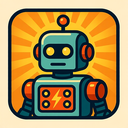
This meticulously crafted icon is not merely a digital symbol—it is a visual manifesto that captures the essence of three powerful concepts: Energy, Robot, and Retro. At first glance, it presents an instantly recognizable image of a humanoid robot standing confidently at the center of dynamic composition. Yet beneath its surface lies an intricate tapestry woven with themes from science fiction, vintage technology aesthetics, and raw kinetic power that resonates on both emotional and intellectual levels.
At its core, this icon embodies Energy in every visible element. The robot's body is not static; it pulses with a radiant glow that emanates from its central core—a stylized orb resembling a miniature star or energy reactor. This central source of power radiates concentric waves of light in electric blue and vibrant magenta, suggesting an infinite supply of raw force contained within the machine. The color spectrum isn't arbitrary; blue represents stability and intelligence, while magenta signifies creativity and dynamism—harmonizing the mechanical with the imaginative. These energy waves ripple outward across the icon’s background, forming geometric patterns reminiscent of early 1980s circuit board designs, symbolizing data flow and electric vitality.
Moreover, subtle details emphasize motion and power: thin streaks of light trail behind each limb as if in mid-motion during a rapid movement. The robot's joints are outlined with glowing filaments that pulse rhythmically, mimicking the beat of a heart or the rhythm of electricity coursing through wires. Even its metallic surface appears to shimmer with kinetic energy—reflective panels shift between hues based on perspective, giving the illusion that it is responding to unseen forces around it. This constant state of activation communicates not just physical energy, but also mental alertness and computational power—an autonomous entity powered by both electricity and purpose.
The Robot aspect of this icon draws heavily from classic science fiction imagery while maintaining a distinct identity. The figure is humanoid in form but stylized with exaggerated proportions: oversized head housing glowing, expressive eyes that resemble vintage cathode-ray tube displays; arms and legs constructed from interlocking metallic plates reminiscent of early industrial automation. Its torso features a prominent chest plate engraved with circuit-like patterns that subtly spell out binary sequences when examined closely—a nod to programming heritage.
What sets this robot apart is its mechanical elegance. Unlike cold, sterile automatons of modern design, it possesses a certain charm through intentional imperfections: visible screws along its joints, slightly worn panels suggesting years of operation, and small dents that tell stories of past challenges overcome. These imperfections aren’t flaws—they are badges of experience and resilience. The robot’s face is minimalist yet expressive: two large round lenses with narrow scanning lines resembling retinas, giving the impression of awareness, curiosity, and even emotion—qualities typically absent in machines but essential to its narrative.
Finally, the Retro element elevates this icon from simple symbolism to nostalgic art. The overall design channels the aesthetic of the late 1970s and early 1980s—a golden age of computing, arcade games, and analog innovation. The color palette is dominated by vintage hues: mustard yellow accents contrasted with deep space gray; neon green highlights pop against a background resembling old oscilloscope screens. The entire icon sits within a stylized CRT monitor border complete with visible scan lines and slight screen curvature, reinforcing the era-specific visual language.
Additional retro touches include the use of pixelated textures in shadow areas, hand-drawn circuit lines that mimic those found on 1980s technical schematics, and a subtle film grain overlay that evokes old VHS recordings. Even the font used in any accompanying label would be a blocky, uppercase typeface reminiscent of early computer terminals or arcade game scoreboards. These details don’t merely decorate—they frame the robot as a character from another time: perhaps an experimental prototype from a forgotten lab, or one of the first AI companions dreamed up during humanity’s first encounter with digital consciousness.
When combined, these elements—Energy's radiant dynamism, Robot's mechanical soulfulness, and Retro's nostalgic authenticity—create something far greater than the sum of its parts. This icon is not just a representation; it is a time capsule that bridges past and future. It speaks to our fascination with machines that think, feel, and act with purpose while reminding us of the raw wonder we once felt when seeing the first glowing screens light up in dark rooms. In an age where technology often feels distant and impersonal, this icon reclaims its humanity—fusing power with personality, innovation with nostalgia.
Whether displayed on a mobile app, embedded in a video game interface, or used as a logo for an energy-focused tech startup inspired by analog heritage, this icon stands as a timeless emblem: the spirit of progress through the lens of memory. It reminds us that true advancement isn’t about abandoning what came before—it’s about carrying forward the energy of innovation with reverence for its roots.
```Create your own icon with our GoGPT AI prompt:
GoGPT