

Entertainment Robot Classic Free icon download
Download all to grab every PNG variant.
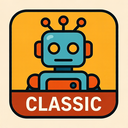
The "Entertainment, Robot, Classic" icon is a meticulously crafted digital representation that merges nostalgia with futuristic imagination to create a unique and timeless symbol. This emblem stands at the intersection of three powerful themes—Entertainment, Robot, and Classic—each contributing essential layers to its design and cultural significance. The icon does not simply depict these elements in isolation; rather, it weaves them together into a cohesive narrative that speaks to both modern audiences and those who appreciate vintage aesthetics.
At the core of this icon is the concept of Entertainment. Entertainment, as a central pillar of human culture, is not just about passive consumption—it’s about emotional engagement, joy, interaction, and shared experiences. The icon embodies this by showcasing a dynamic scene where a robot actively participates in an entertaining activity. It might be playing music on vintage turntables, performing live shows with projected holographic visuals, or hosting a retro-themed game show where audience members can interact through simple hand gestures or voice commands. This reflects how entertainment has evolved from physical media to interactive digital experiences. The presence of sound effects such as laughter, music cues, and ambient noise in the design reinforces its entertainment value—making it not just a visual but an experiential symbol.
The Robot aspect of the icon is both functional and symbolic. Rather than being a cold, mechanical figure devoid of emotion, this robot is designed with expressive features: large, gentle eyes that convey warmth and curiosity; a flexible jointed structure that suggests movement and playfulness; and subtle animations in motion—such as waving a hand or turning its head toward the viewer. This design choice challenges common stereotypes about robots as distant or intimidating machines. Instead, it positions the robot as a friendly companion—an interlocutor between humans and technology. The robot's form is inspired by mid-20th-century sci-fi aesthetics but enhanced with modern functionality, symbolizing how robotics has progressed from speculative fiction to real-world applications in education, therapy, and entertainment.
The Classic dimension adds depth and heritage to the icon. It draws inspiration from retro design elements of the 1950s through the 1980s—the golden age of television, arcade games, and analog technology. Think about iconic visuals: a neon-lit dashboard with analog dials, a vinyl record spinning slowly in front of it, or a vintage TV screen displaying pixelated graphics. The robot's appearance features clean lines, bold colors like deep reds and bright yellows reminiscent of old advertisements and theme parks. The icon may even feature classic symbols such as a cassette tape icon integrated into its chassis or the silhouette of a 1970s-style game console floating behind it. This nostalgic touch not only grounds the design in historical context but also appeals to audiences who value authenticity and timeless appeal.
What makes this icon truly distinctive is how it balances innovation with tradition. While the robot is clearly a product of modern engineering, its actions and setting are rooted in classic forms of entertainment—such as live music performances, arcade games, or family-oriented television shows. For example, the robot might be stepping onto a stage dressed like a 1960s band member or hosting a trivia game with vintage question cards that flicker to life on its screen. This juxtaposition creates a compelling narrative: technology is not replacing the past; it is reimagining and celebrating it.
The icon also has strong cultural resonance. In an age where digital entertainment dominates, this symbol serves as a reminder of the human joy found in shared experiences—whether through music, games, or storytelling. It celebrates how classic forms of entertainment have always had a place in our lives and how technology can enhance rather than erase that legacy. The robot becomes a bridge between generations: children see it as fun and futuristic, while older audiences recognize it as a tribute to their own childhood memories.
Design-wise, the icon is highly scalable and versatile. It can be used on websites, mobile apps, merchandise, or public installations without losing its visual integrity. Its high contrast colors and clear silhouette make it legible across various platforms. Whether displayed on a streaming service interface or featured in a museum exhibit about the evolution of technology, this icon maintains relevance and impact.
Moreover, the "Entertainment, Robot, Classic" icon is not static—it's designed to be interactive. In augmented reality experiences or digital environments, users can engage with the robot by giving it voice commands like “Play music” or “Show me a classic game,” triggering animations and sound effects that echo traditional entertainment formats. This interactivity transforms the icon from a passive symbol into an active participant in user experience.
From a psychological standpoint, such an icon evokes positive emotions—curiosity, nostalgia, joy—and serves as a calming visual cue in fast-paced digital environments. Its blend of technology and tradition reassures users that even as we embrace innovation, we are not losing touch with the emotional foundations of entertainment.
In conclusion, the "Entertainment, Robot, Classic" icon is more than just a visual motif—it is a cultural artifact representing harmony between past and future. It honors classic forms of entertainment while embracing the potential of robotics to bring joy and connection into everyday life. Through its thoughtful integration of Entertainment, Robot functionality, and Classic design elements, this icon stands as a symbol of hope: that technology can be warm, engaging, and deeply human. It is an emblem not only for innovation but for the enduring power of shared experiences across generations.
Create your own icon with our GoGPT AI prompt:
GoGPT