

Environment House Wooden Free icon download
Download all to grab every PNG variant.
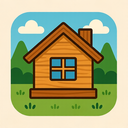
The wooden house icon serves as a powerful visual metaphor that seamlessly blends the concepts of environment, house, and wooden materials into a cohesive symbol representing sustainable living, natural harmony, and architectural warmth. At its core, this icon transcends mere design—it embodies a philosophy rooted in ecological mindfulness and human connection to nature. With every line and contour carefully crafted to reflect organic authenticity, it stands as a testament to the enduring relationship between people and their surroundings.
Central to the icon's identity is its representation of environment. Unlike conventional house icons that emphasize concrete, glass, or steel—materials often associated with industrialization and environmental strain—the wooden house icon foregrounds natural elements. Its design draws inspiration from biophilic architecture, a concept deeply embedded in sustainable urban planning and ecological design. The structure is typically rendered with smooth yet textured wooden surfaces that mimic the grain of real timber. These details aren’t merely aesthetic; they serve as visual reminders of nature’s inherent beauty and resilience. Surrounding the house may be subtle greenery—small trees, leafy bushes, or a winding path through grassy terrain—symbolizing an integrated living space where architecture does not dominate nature but coexists with it.
The icon’s house aspect is unmistakable: a simple yet elegant dwelling that captures the essence of shelter and comfort. It features a pitched roof, often sloped to resemble traditional wooden cabins or mountain homes, suggesting both functionality and timeless design. The inclusion of a small door and one or two windows—crafted with clean, minimalist lines—adds relatability and familiarity. These architectural details are not exaggerated but rather grounded in reality, evoking the feeling of a cozy retreat nestled within a forest or perched on a hillside. The house is not an isolated structure; instead, it appears rooted in its landscape—a home that feels like it has grown from the earth rather than imposed upon it.
Most significantly, the icon’s wooden construction defines its character and meaning. Unlike synthetic materials that deplete resources and generate pollution during production, wood is a renewable resource when responsibly sourced. The icon highlights this by emphasizing natural wood textures—visible grain patterns, warm honey-toned hues (ranging from light birch to deep walnut), and subtle imperfections such as knots or weathering marks. These details aren’t flaws; they are celebrated signs of authenticity and history. Each wooden beam, panel, and shingle in the icon tells a story of growth, time, and sustainability.
From an environmental standpoint, the wooden house icon promotes the idea that homes can be both beautiful and ecologically sound. It suggests a lifestyle where energy efficiency is prioritized—evident in features like solar panels subtly integrated into the roof or rainwater harvesting systems near the foundation. The surrounding landscape may include a small vegetable garden, a compost bin, or wind turbines, all of which reinforce the message of self-sufficiency and environmental responsibility. This holistic design reminds viewers that true sustainability extends beyond materials—it encompasses habits, values, and respect for natural cycles.
Furthermore, the wooden house icon carries emotional weight. It evokes feelings of safety, nostalgia, and belonging—qualities associated with childhood memories of treehouses or rustic cabins in the woods. These emotional connections make it a compelling symbol in campaigns promoting green living, eco-tourism, sustainable architecture, or environmental education. Whether used on websites promoting organic building materials or as part of a public awareness campaign about climate change mitigation, the icon functions as a universal language that transcends cultural barriers.
Designers often use this icon in minimalist formats—suitable for mobile apps, infographics, and branding materials—while maintaining its symbolic richness. Its versatility lies in its ability to communicate complex ideas with simplicity: that our homes don’t have to harm the planet; instead, they can be part of the solution. By combining environment (through natural integration), house (through functional shelter), and wooden (through sustainable material choice), this icon becomes more than a graphic—it becomes a vision for the future.
In an era defined by environmental challenges, the wooden house icon stands as a beacon of hope. It reminds us that innovation does not have to mean alienation from nature. On the contrary, some of our most profound innovations—like green buildings made from reclaimed wood or energy-efficient homes powered by natural sources—are rooted in ancient wisdom and deep respect for the earth. This icon is not just a symbol; it’s a call to action—an invitation to build homes that honor both people and planet.
Create your own icon with our GoGPT AI prompt:
GoGPT