

Health House Minimalist – Free icon download
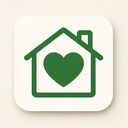
Download all to grab every PNG variant.
In a world increasingly dominated by digital complexity and visual clutter, the need for clarity, simplicity, and meaningful symbolism has never been greater. This icon—crafted as a harmonious fusion of Health, House, and Minimalist design principles—emerges as a quiet yet powerful representation of well-being rooted in home life. It is not merely an abstract symbol; it is a carefully composed visual narrative designed to resonate with users who seek peace, balance, and wellness within the familiar confines of their domestic environments.
The core concept of this icon centers on the idea that true health begins at home—the place where people rest, nurture relationships, and develop daily habits that support physical and mental well-being. Rather than relying on complex illustrations or layered elements, the design adheres strictly to minimalist aesthetics. With clean lines, limited color palettes, and intentional spatial composition, the icon avoids visual noise to ensure immediate recognition and emotional impact.
Visually, the icon features a stylized house form—simple in structure but evocative in meaning. It is rendered with a single vertical line representing the central axis of the home, gently curving at its base to suggest both stability and openness. The roof is subtly triangular, forming an elegant peak that symbolizes protection and shelter. At the center of this structure, a small circular element—a soft gradient dot or gentle curve—appears just above the middle floor line. This central mark represents health: not as a medical symbol or an aggressive indicator, but as a quiet pulse of vitality embedded within daily living.
This circular element is not filled with color; instead, it uses a light gradient from pale blue to soft white, mirroring natural daylight and reinforcing the idea of balance between mental clarity and physical wellness. The blue tones evoke calmness and healing—associated with water, sky, and natural environments—while the minimal saturation ensures that the icon remains serene without appearing clinical or institutional. This choice aligns with modern wellness philosophies that emphasize prevention, mindfulness, and self-care over treatment.
The integration of “House” into this icon is both literal and symbolic. The home is not just a building—it is a space of belonging, safety, routine, and emotional support. By anchoring the health symbol within the house form, the icon communicates that wellness is not an external goal to be pursued in gyms or clinics; it begins at home through diet, sleep patterns, emotional connection with family members, and daily movement. The house becomes a vessel for health—a sanctuary where habits are formed and sustained.
Moreover, the minimalist approach ensures that this icon functions effectively across various digital platforms—mobile apps, wellness journals, smart home interfaces, and even public health campaigns. Its simplicity allows it to be resized without losing clarity or meaning. In contrast to cluttered icons filled with icons within icons (e.g., a house with a person inside holding a medical device), this design eliminates distractions and focuses attention on the essential: the connection between home and health.
From an accessibility standpoint, the icon is designed to be inclusive. Its use of high-contrast shapes, clear boundaries, and predictable structure makes it easily interpretable for users with visual impairments or those navigating screen readers. The lack of fine details or complex patterns reduces cognitive load, enabling quick recognition even in fast-paced interfaces.
The concept also aligns with current trends in holistic health and preventive medicine. Instead of focusing on illness, this icon promotes a proactive lifestyle rooted in daily home-based routines—such as balanced meals prepared at home, consistent sleep schedules, and quiet time for mindfulness. The house becomes the foundation upon which these habits grow.
Color psychology plays a subtle but critical role in this design. The dominant color is a soft neutral—off-white or very light gray—to represent cleanliness, safety, and stability. This grounding tone makes the health symbol feel accessible and non-threatening. Only the central health element introduces a gentle pop of blue, which does not overwhelm but instead suggests vitality without aggression.
In contrast to traditional icons that depict hospitals, stethoscopes, or pills—symbols often associated with fear or medical intervention—the minimalist health icon with house elements promotes a positive and empowering image. It invites users to view wellness as something naturally occurring in everyday life, not something requiring constant external input.
This design philosophy also supports mental health. The calm structure of the house evokes feelings of safety and security, which are essential components of emotional stability. When individuals see this icon, they are reminded that their home is a source of strength and resilience—particularly during times of stress or uncertainty.
Furthermore, the minimalist aesthetic encourages intentional design thinking in both user experience (UX) and product development. It sets a standard for icons that communicate with clarity and emotional intelligence. For instance, in a fitness app, this icon could serve as the main navigation point for home-based exercises; in a mental wellness platform, it could represent daily self-care practices.
In conclusion, the Minimalist Health Icon with House integration is more than just a visual symbol—it is an intentional design that bridges emotional well-being with physical health through the universal context of home. By embracing simplicity, purpose, and meaningful symbolism, it offers a refreshing alternative to overcomplicated or emotionally charged representations of health. It speaks directly to modern users who desire clarity, peace, and connection in their digital experiences—making it not only functional but deeply human.
Create your own icon with our GoGPT AI prompt:
GoGPT