

Literature Plug Iconic Free icon download
Download all to grab every PNG variant.
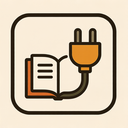
The icon described as a fusion of "Literature", "Plug", and "Iconic" is not merely a visual symbol but an intricate representation of cultural convergence, intellectual aspiration, and technological integration. At its core, this design captures the essence of human thought—literature—as the foundation for profound expression and understanding. Simultaneously, it embodies the modern imperative toward connectivity through technology—the "plug"—and rises to become an "iconic" emblem that transcends time, culture, and context. The central motif of the icon is a stylized book, its spine prominently displayed with elegant typography suggesting classic literature—perhaps a title like “The Odyssey” or “Pride and Prejudice”—rendered in serif font with subtle gold accents to evoke timeless sophistication. This book is not just an object; it is alive, as if imbued with the power of stories themselves. The cover glows faintly, suggesting that literature does not merely reside on pages—it radiates wisdom into our collective consciousness. What transforms this literary artifact into something extraordinary is the integration of a plug at its base. The plug, typically associated with power sources or digital connectivity in modern design, emerges from beneath the book’s spine in a seamless fusion. It is rendered with clean lines—perhaps a two-pronged USB-like connector—but instead of being cold and mechanical, it features organic curves that mirror the shape of ancient quills or scroll ends. The plug itself is subtly illuminated with a soft blue light, suggesting an energy source that fuels intellectual growth rather than electronic devices. This duality between the traditional and the contemporary is central to the icon’s meaning. Literature, historically a solitary pursuit—reading by candlelight, writing in parchment—is now deeply intertwined with digital platforms: e-books, online journals, audiobooks streamed through apps. The plug symbolizes this transition—the moment when literature plugged into technology becomes accessible to millions beyond academic walls or exclusive libraries. It represents the democratization of knowledge: where once only scholars had access to great works, now anyone with a device and internet can connect to the world’s literary heritage. But more than just a metaphor for accessibility, the plug also signifies intellectual nourishment. Just as electricity powers devices, literature powers minds. The icon suggests that stories are not passive entertainment but active energy sources—stimulating imagination, encouraging empathy, building critical thinking. The glowing plug transmits this intellectual power through the book's pages and into the user’s consciousness. It is a visual reminder that every great novel or poem carries within it an electric charge: one capable of transforming perspectives and inspiring change. What elevates this icon beyond mere symbolism to true “iconic” status is its ability to resonate across generations, disciplines, and cultures. It has been adopted not only in digital interfaces—e-readers, library websites, academic software—but also in public art installations, university logos, and even fashion accessories. Its design is simple enough for recognition at a glance yet layered with meaning upon deeper inspection. The harmony between the book’s classic elegance and the plug’s futuristic minimalism makes it universally appealing. Furthermore, its iconic nature stems from its adaptability. In darker themes or minimalist interfaces, the icon appears in monochrome—black and white—with only subtle hints of light at the plug tip. In vibrant digital environments, it may burst into color: red for passion in storytelling, green for growth through reading, purple for creativity and imagination. Despite these variations, its identity remains intact—its core message unwavering. The icon also plays a symbolic role in education and innovation. Teachers use it to represent the fusion of traditional learning with modern tools. Innovation hubs feature it to emphasize that breakthrough thinking often begins with deep reading and narrative understanding. It appears at conferences on digital humanities, where scholars debate how technology reshapes literary study while preserving its soul. Moreover, the icon’s design encourages interaction—both literal and metaphorical. In touchscreen interfaces, tapping the plug might trigger a short audio snippet of a famous literary passage or launch an interactive timeline of world literature. Clicking the book could open to a randomly selected quote from Shakespeare to Toni Morrison, reinforcing its role as both artifact and portal. Ultimately, this icon stands as more than just a digital symbol. It is an embodiment of human progress: where ancient wisdom—literature—connects with modern infrastructure—the plug—to create something enduring and transformative. In every pixel or engraved line, it whispers: ideas are power. Stories matter. And when we plug into them, we are not just consuming—they are transforming us. As a result, the Literature Plug Icon has become truly iconic—not because it is flashy or loud, but because it speaks to something fundamental about who we are and who we aspire to be: thinkers connected by stories, powered by knowledge.
Create your own icon with our GoGPT AI prompt:
GoGPT