

Music Piano Vibrant colors – Free icon download
Download all to grab every PNG variant.
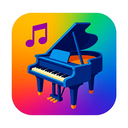
The "Music, Piano, Vibrant Colors" icon is a visually striking and emotionally resonant symbol that seamlessly merges the timeless elegance of classical music with the dynamic energy of modern design. This icon transcends mere representation—it embodies a sensory experience that invites viewers to feel the rhythm, warmth, and joy embedded within musical expression. At its core lies a stylized piano, rendered not only as an object but as a living force of sound and emotion, positioned at the center of an expansive visual field where color becomes both aesthetic and expressive.
The piano itself is depicted with exceptional detail and artistic precision. Its shape is clean yet organic, with gracefully curved lines that suggest movement—like waves of sound rippling outward from each key. The piano’s body is constructed in a balanced composition, with the keyboard extending forward like a flowing melody, while the wooden frame features subtle texture to convey authenticity and craftsmanship. Each key is individually outlined, some slightly raised or pressed down to imply an active performance, giving the impression that music is being played in real time. This dynamic element ensures that even at a glance, viewers perceive motion and vitality within the icon.
What truly sets this icon apart is its use of vibrant colors. Instead of relying on muted or traditional tones common in classical depictions, the design explodes with color—each hue selected not just for visual appeal but to reflect emotional dimensions of music. The piano’s body is painted in a bold combination of deep amber, electric blue, and sunlit gold, creating a warm yet energizing atmosphere. The keys are vibrant and pop: some in bright turquoise, others in fiery red or neon green—colors that evoke excitement and passion. These choices are not random; they mirror the emotional range of music—from the softness of a piano ballad to the intensity of an energetic piece.
The vibrancy extends beyond just the piano. Surrounding elements include subtle light rays emanating from the keys, which bloom in hues like magenta, lime yellow, and purple—a visual metaphor for sound waves traveling through space. These glowing streaks suggest resonance and depth, as if each note is being absorbed and transformed into energy. The background of the icon features a soft gradient that transitions from deep indigo at the bottom to radiant cyan at the top—mimicking sunrise or sunset, reinforcing themes of hope, creativity, and renewal often associated with music.
The integration of "Music" into this icon is not superficial—it is central to every aspect of its form. The piano serves as both a literal and symbolic instrument. As such, the icon communicates that music is not merely heard but felt—its rhythm visible through flowing lines, its emotion expressed through color intensity. Even in silence, the design implies music; each line and shade carries a melodic undertone. The arrangement of elements follows a natural progression akin to musical phrasing: beginning with soft tones (in lighter gradients), building into peaks of color and brightness (the most intensely colored keys), then resolving with subtle, calming shades—mirroring the structure of a well-composed piece.
The use of vibrant colors also serves to appeal to diverse audiences. For children, the bright hues are engaging and playful; for adults, the richness and depth invite contemplation about artistry and emotional expression. This accessibility ensures that regardless of one’s familiarity with music or piano instruments, the icon remains universally expressive. The color palette avoids being chaotic—instead, it is carefully balanced to create harmony, much like a well-tuned piece of music. There's no jarring clash; rather, each color complements and enhances the others in a way that feels intuitive and pleasing.
Moreover, the design honors both tradition and innovation. The piano—a centuries-old instrument—has been reimagined through modern design principles such as bold shapes, dynamic gradients, and expressive color blocking. This fusion speaks to how classical art forms can evolve while preserving their essence. The icon reflects a cultural dialogue between past and present: the piano stands as a symbol of heritage, while the vibrant colors represent the ever-evolving nature of modern expression.
The emotional impact of this icon is profound. When viewed, it instantly evokes feelings of inspiration, joy, and calmness. Viewers may feel a subtle pulse in their chest—like hearing a soft melody played on an afternoon breeze—or they might be transported into a moment of introspection, where the music becomes part of their own inner world. This emotional connection is precisely what makes such icons powerful tools in branding, education, and user interface design.
For instance, in digital applications—such as music streaming platforms or educational software—the "Music, Piano, Vibrant Colors" icon can serve as a welcoming gateway to musical learning. It signals accessibility and excitement from the moment it is seen. In marketing campaigns for music events or children’s workshops, the icon can capture attention and convey both sophistication and fun.
In conclusion, the "Music, Piano, Vibrant Colors" icon is far more than a visual motif—it is a holistic representation of sound, emotion, and creativity. It masterfully combines the authenticity of piano imagery with an explosion of color that transcends conventional boundaries. By intertwining these three essential elements—music as expression, piano as instrument, and vibrant colors as emotional catalysts—the icon becomes not only aesthetically compelling but also deeply meaningful. It speaks to the universal human experience of feeling moved by music and reminds us that even in a digital age, the soul of music remains alive in color, form, and emotion.
Create your own icon with our GoGPT AI prompt:
GoGPT