

Transportation Road Cyberpunk – Free icon download
Download all to grab every PNG variant.
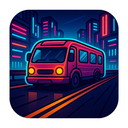
The cyberpunk transportation road icon is not merely a visual symbol; it is a multidimensional narrative embedded within the very fabric of urban dystopia, technological saturation, and human resilience. This emblem transcends simple representation by fusing the core themes of Transportation, Road, and Cyberpunk into a cohesive, evocative visual language that captures both the functionality and emotional weight of a post-digital future.
At its foundation, the icon depicts an expansive, pulsating road system woven through neon-lit metropolises—futuristic highways stretching into foggy horizons where holographic signs flicker with encrypted traffic data. These roads are not passive backdrops; they are active elements of the cityscape, constantly shifting in response to real-time AI algorithms that regulate flow, congestion, and emergency overrides. The transportation depicted is not limited to cars or buses—it includes autonomous pods gliding silently along magnetic tracks, hover-bikes streaking through rain-slicked streets with glowing HUDs projected onto their surfaces, and towering flying taxis that cut through the sky like digital drones guided by neural networks. This variety in Transportation reflects the complexity of modern urban mobility in a world where technology has outpaced human control, creating a system driven more by algorithms than drivers.
The Road element is not just physical—it is symbolic, psychological, and environmental. The roads themselves are rendered with cybernetic textures: cracked surfaces that emit faint bioluminescent pulses from embedded micro-sensors, reflective asphalt that distorts light into digital ripples when viewed at an angle. These roads appear to breathe—contracting during rush hours and expanding during quiet nights—suggesting a dynamic relationship between infrastructure and the city’s rhythms. In this vision, the road is both a pathway and a battleground. It is where data flows freely, where surveillance cameras monitor every lane, and where marginalized pedestrians navigate through augmented reality corridors that overlay real-world paths with encrypted messages from anonymous users. The road becomes a site of conflict—between human desire for freedom and the omnipresent control of corporate AI systems.
Now, enter the Cyberpunk ethos—the dominant aesthetic and philosophical undercurrent of this icon. Cyberpunk is not just about neon lights and rain; it is a commentary on power, alienation, inequality, and technological hubris. The transportation network in this icon reflects that tension: while advanced AI manages traffic with flawless precision, the human experience remains fragmented. Drivers wear neural implants to interface directly with their vehicles—allowing them to "think" through speed adjustments and route changes—but at the cost of emotional detachment. The roads are monitored by corporate entities that sell data on movement patterns to advertising platforms, turning every journey into a form of surveillance capitalism.
One striking feature of the icon is the presence of digital glitches—random pixel bursts along road surfaces, corrupted messages scrolling across lane dividers, and flickering holograms that dissolve mid-sentence. These anomalies represent the instability inherent in a world where technology has become so integrated that it begins to malfunction or betray its users. Cyberpunk thrives on this fragility—on the moment when a self-driving car suddenly veers off course due to an unpatched software flaw, or when a smart traffic light fails and causes gridlock in an otherwise seamless network. This imperfection is not a flaw; it is the soul of the icon—the heartbeat of a world that operates on edge, where progress never truly feels secure.
Moreover, the icon includes subtle environmental elements that deepen its cyberpunk context. The air above the roads shimmers with drifting data particles—tiny floating fragments of discarded code or forgotten passwords. These particles form temporary patterns: messages from lost travelers, warnings about system overloads, or cryptic poetry broadcast by underground hackers. This layer illustrates how transportation is not just physical movement but a medium for communication and resistance in a world where privacy is nonexistent. The road becomes a public data stream—a living network of human voices, encrypted thoughts, and digital rebellion.
Visually, the icon blends high-tech realism with artistic abstraction. The road is rendered in deep blues and electric purples with neon green traffic signals that pulse like heartbeats. Vehicles are sleek and minimalist—carbon-fiber bodies with exposed circuitry running along their sides, glowing eyes that respond to nearby movement. In the background, towering skyscrapers dominate the skyline, their surfaces covered in vertical data screens displaying real-time transport statistics and corporate advertisements. The contrast between these sterile digital displays and the chaotic human behavior on the roads creates a powerful tension—between order and chaos, control and freedom.
In essence, this cyberpunk transportation road icon is more than a design—it is a cultural artifact. It reflects our anxieties about autonomous systems, urban overcrowding, data privacy, and the loss of human agency. Yet it also celebrates innovation—the ability to move faster, safer, smarter through technology. It challenges us to ask: in a world where everything moves at the speed of code, what remains of human connection? The road becomes not just a route from A to B—but a metaphor for our journey through identity, memory, and survival in an age defined by relentless progress.
Ultimately, this icon stands as a testament to the fusion of Transportation, Road, and Cyberpunk. It is dynamic, immersive, and deeply reflective—a visual embodiment of a future where motion is both technological and emotional, where infrastructure is alive with data, and where every turn on the road holds the possibility of revelation or ruin.
Create your own icon with our GoGPT AI prompt:
GoGPT